
Overcoming Financial Barriers: The Impact of Student Loans on BIPOC Students
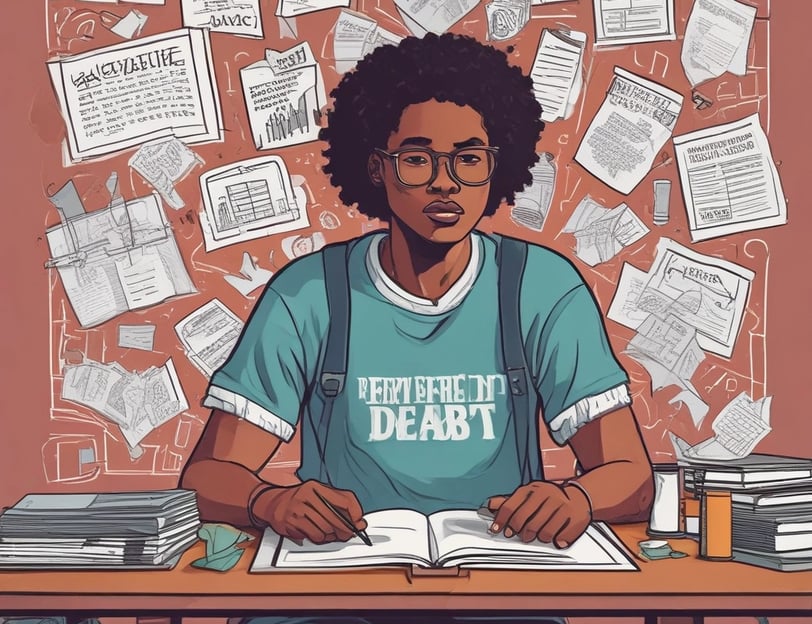
The Burden of Student Loans on BIPOC Students
Student loans have become a significant hurdle for many students in the United States, particularly for BIPOC individuals. Research indicates that BIPOC students often face higher loan amounts due to systemic inequalities that affect their access to financial resources and quality education. In fact, a report highlighted that 83% of Black bachelor's degree holders had student loan debt compared to 64% of their white counterparts. Moreover, 40% of Black master's degree holders are still in debt, showcasing a persistent cycle of financial challenges.
Statistics on Student Loan Debt Across Degree Levels
When examining advanced degrees, the statistics reveal an alarming trend. Approximately 35% of Hispanic students with a doctorate have student loans, illustrating that even those who reach the highest educational attainment are still financially burdened. To put it into perspective, 72% of bachelor’s degree holders, 60% of master’s, and a notable 50% of doctorate degree holders are grappling with student loans. These percentages emphasize how critical it is to address the financial barriers that BIPOC students face, hindering their opportunities for socio-economic advancement.
Navigating Financial Decisions with Dual Degrees
To mitigate the challenges posed by student loans, BIPOC students should consider the value of pursuing dual degrees. By earning two degrees, students can enhance their qualifications, making them more competitive in the job market, which, in turn, can lead to higher earning potential and less reliance on loans. Additionally, with better insights into their career paths, students can make informed decisions about their education, focusing on fields that not only align with their passion but also come with robust career opportunities. By taking proactive steps to explore dual degree options, students can work toward a brighter, debt-free future.