
Breaking Barriers: Addressing Equity Challenges in Higher Education for BIPOC Students
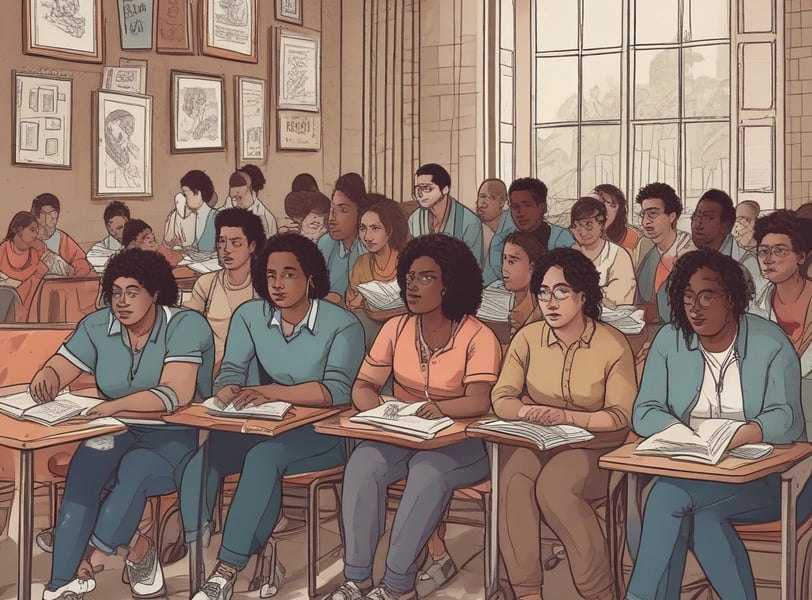

Understanding Systemic Inequities in Higher Education
The landscape of higher education in the United States has been shaped by historical and systemic inequities that disproportionately affect Black, Indigenous, and People of Color (BIPOC) students. These inequities are rooted in a complex interplay of socio-economic disparities, limited access to resources, and entrenched institutional biases. Most notably, socio-economic status plays a crucial role in the educational journey. BIPOC students often attend underfunded K-12 schools, limiting their access to rigorous coursework and advanced placement opportunities. This educational inequity can hinder their preparedness for college, leading to lower enrollment rates in higher education institutions.
Furthermore, financial barriers present significant challenges for BIPOC students. Studies indicate that the cost of higher education has steadily risen, leading to increased reliance on loans. According to recent data, BIPOC students are more likely to accumulate student debt compared to their white counterparts, which can adversely affect their ability to persist through college and graduate on time. This financial strain undeniably influences college retention and graduation rates, as students from marginalized communities frequently face more significant financial hurdles.
Institutional biases also play a pivotal role in perpetuating systemic inequities in education. Research indicates that admissions criteria and practices can disadvantage BIPOC students. For example, standardized tests are often criticized for reflecting cultural biases, which can affect the performance of BIPOC applicants. Additionally, the lack of culturally responsive teaching and mentorship further alienates these students within academic settings, leading to feelings of isolation. Evaluating these systemic factors reveals a concerning trend: BIPOC students not only face challenges in enrollment but also struggle significantly with retention and graduation, ultimately perpetuating the cycle of inequality in higher education.
Barriers Beyond Admission: Challenges Faced by BIPOC Students
Once admitted to higher education institutions, BIPOC students often encounter unique challenges that can hinder their academic progress and overall well-being. While gaining admission is a significant milestone, the hurdles faced after enrollment can be equally formidable. One of the primary barriers is the campus climate, which can be influenced by the institution's culture and the prevailing attitudes of both faculty and peers. BIPOC students may experience feelings of alienation, especially in predominantly white campuses where cultural differences are starkly highlighted.
Support systems, such as academic advising and mental health resources, are essential for fostering a conducive learning environment. However, many institutions fall short in providing adequate support tailored to the needs of BIPOC students. The lack of accessible mentorship opportunities further exacerbates these challenges; mentorship can play a pivotal role in navigating academic pathways and professional development. Unfortunately, the unavailability of mentors who understand the specific experiences of BIPOC students can leave them feeling lost and unsupported in an unfamiliar environment.
Financial challenges also significantly impact BIPOC students, who often face a greater financial burden compared to their non-BIPOC peers. High tuition costs, coupled with limited access to financial aid, can create overwhelming stress that detracts from their academic focus. Additionally, the economic disparities that many BIPOC families face may force students to work long hours, affecting their academic performance and overall college experience.
The psychological impact of these barriers cannot be overlooked. BIPOC students frequently grapple with feelings of isolation and the insidious effects of microaggressions, contributing to a pervasive sense of underrepresentation. This environment can lead to a negative self-image and diminished academic confidence, exacerbating the achievement gap between BIPOC and non-BIPOC students. As these challenges persist, they underscore the urgent need for systemic changes to create a more inclusive and supportive higher education landscape.
Strategies for Creating Inclusive Pathways
In an ever-evolving educational landscape, the pursuit of equity for BIPOC (Black, Indigenous, People of Color) students in higher education demands a multifaceted approach. Educational institutions must implement actionable strategies to create inclusive pathways that facilitate access and success for these historically marginalized groups. One fundamental initiative is the establishment of comprehensive diversity training programs for faculty and staff. Such training equips educators with the necessary tools to recognize and address their own biases, fostering a more inclusive environment that uplifts BIPOC voices within the academic community.
Moreover, curriculum reforms are vital in ensuring that the educational content reflects diverse perspectives and experiences. By integrating multicultural education into existing programs and developing courses that dive into BIPOC histories and contributions, institutions can create a more representative academic context. This not only aids in reducing disparities in engagement among students but also enriches the learning experience for all. Additionally, mentorship programs linking BIPOC students with faculty and community leaders can provide essential guidance, networking opportunities, and career development, enhancing their educational journey.
Community partnerships also play a significant role in bridging gaps between higher education institutions and underrepresented populations. By collaborating with local organizations, schools, and businesses, universities can create outreach initiatives that raise awareness, increase accessibility, and offer resources tailored to BIPOC students. These collaborations foster trust and establish pathways to higher education that are often overlooked, thereby amplifying access for prospective students.
The effectiveness of these strategies hinges on a robust institutional commitment to equity. Stakeholders must work collaboratively, recognizing that dismantling systemic barriers requires ongoing engagement and support. By implementing and continually assessing these initiatives, educational institutions can significantly enhance inclusive pathways for BIPOC students, paving the way for greater equity and representation in higher education.
The Role of Policy and Advocacy in Promoting Equity
Policy and advocacy play a pivotal role in promoting equity in higher education for BIPOC (Black, Indigenous, and People of Color) students. Through legislation and advocacy efforts, the systemic inequities faced by these student groups can be addressed and mitigated. Various policies at both state and federal levels aim to create equitable educational opportunities and resources for all students. These initiatives often focus on funding allocations, curriculum development, and institutional support that are designed to foster inclusive and supportive environments.
Currently, several legislative measures aim to enhance access to higher education for BIPOC students. For example, initiatives such as the Higher Education Act are under continuous evaluation and revision to ensure they address the needs of diverse student populations effectively. Funding opportunities specifically targeted at BIPOC students, including scholarships and grants, are essential in dismantling barriers to access. Advocacy groups work tirelessly to lobby for policies that promote equitable funding formulas and support systems within higher education institutions. This ensures that financial aid is distributed in a manner that considers the unique challenges faced by BIPOC students.
Moreover, advocacy campaigns play a crucial role in amplifying student voices and highlighting the urgency of equity in education. Grassroots movements are essential in bringing attention to the lived experiences of BIPOC students and pushing for necessary reforms. These movements can influence policymakers to prioritize equity by ensuring that the needs and suggestions of BIPOC students are included in policy discussions. By mobilizing communities, these campaigns create an environment where equity is not only a goal but an actionable agenda. The integration of student perspectives into policy-making ensures that fostered changes reflect the actual needs of the minority populations they aim to serve.